CNC MACHINING
Cost Reduction Strategies in CNC Machining: Engineering & Manufacturing Best Practices
Learn practical cost reduction methods in CNC machining: DfM principles, toolpath optimization, and multi-axis strategies by OSEL Makine engineering team.
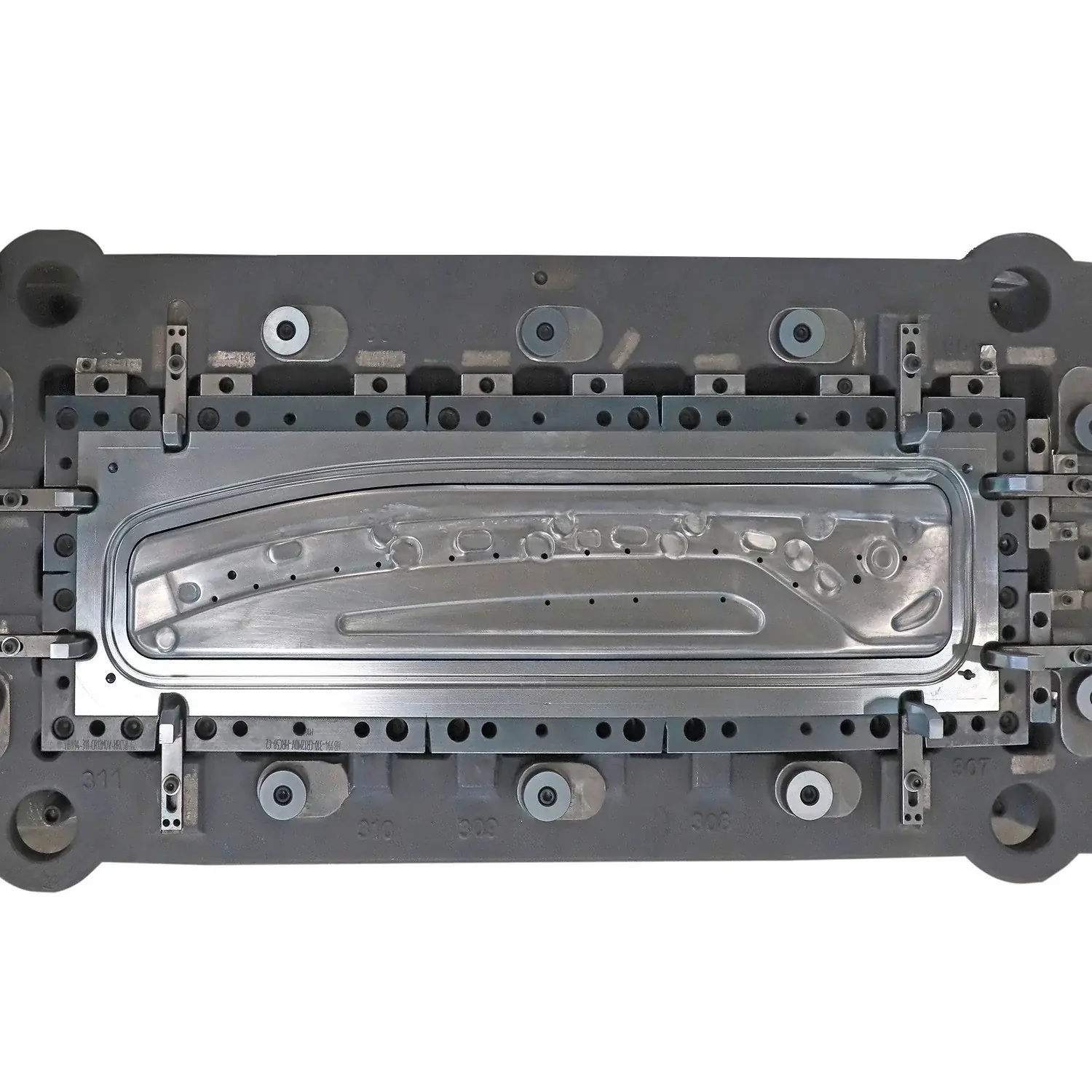
In global manufacturing, fluctuations in raw material prices and rising energy costs necessitate strict optimization of unit costs in CNC machining. As OSEL Makine, leveraging our high-precision CNC machining infrastructure and engineering expertise in Kocaeli Dilovası KOBİ OSB, we have compiled key engineering strategies to minimize costs without compromising product quality.
Cost optimization in subtractive manufacturing goes beyond simply increasing cutting speeds; it requires a holistic approach from Design for Manufacturing (DfM) to final CMM inspection.
1. Design for Manufacturing (DfM)
Up to 70% of manufacturing costs are determined during the CAD design phase. Implementing DfM principles significantly reduces machining time:
- Avoiding Over-Constrained Tolerances: Deviating from general tolerance standards (e.g., ISO 2768) to unnecessary tight tolerances increases machine time and scrap rates exponentially. Tight tolerances (e.g., H7/g6) should only be applied to critical functional surfaces.
- Optimizing Internal Radii: Designing internal pocket radii (R) at least 10-15% larger than the milling tool radius prevents tool deceleration at corners and enables high-speed trochoidal toolpaths.
- Avoiding Deep Pockets and Thin Walls: Pocket depths exceeding 4x the tool diameter require specialized long-reach tools and increase vibration risk. Thin walls require lighter cuts to prevent deflection.
2. Tooling and CAM Path Optimization
Maximizing the Material Removal Rate (MRR) while prolonging tool life is key to reducing machine hour costs.
- Trochoidal Milling (High-Speed Machining - HSM): Using constant axial depth of cut with small radial engagement allows for higher cutting speeds, extending tool life and cutting cycle times by up to 40%.
- Advanced Coatings and Tool Selection: Selecting substrate and PVD/CVD coated solid carbide tools specifically tailored to the material (e.g., Stainless Steel, Titanium, or Aluminum) reduces downtime and tooling expenses.
3. Setup and Fixturing Optimization
Non-cutting setup times represent a major hidden cost in machining operations.
- Multi-Axis Machining (5-Axis CNC): Completing complex parts in a single setup reduces positioning errors, total lead times, and manual labor costs dramatically.
- Zero-Point Clamping Systems: Implementing zero-point modular fixturing reduces fixture changeover times from hours to minutes.
Technical Comparison: Cost Drivers vs. Engineering Solutions
| Parameter | Conventional Approach | OSEL Makine Engineering Approach | Estimated Cost Savings |
|---|---|---|---|
| Design Tolerances | ±0.01 mm across all surfaces | ±0.01 mm only on critical interfaces, ±0.1 mm elsewhere | 15% - 25% |
| Machining Setups | 3-Axis (4-5 Re-fixtures) | 5-Axis Simultaneous (Single Setup) | 30% - 45% |
| CAM Strategy | Traditional Offset Toolpath | High-Speed Trochoidal Milling (HSM) | 20% - 35% |
| Fixturing System | Standard Vises / Manual Clamping | Zero-Point Fast-Change Fixturing | 50% (In Setup Time) |
| Material Stock | Oversized Bar Stock | Near-Net-Shape Raw Material | 10% - 20% |
4. Material Selection and Near-Net-Shape Sizing
Selecting materials with high machinability indices directly improves cutting parameters. Furthermore, sourcing raw stock close to the final part dimensions (Near-Net-Shape) reduces scrap material volume and machining hours.
Maximum Efficiency in Machining with OSEL Makine
Operating in Dilovası KOBİ OSB, OSEL Makine serves as a strategic engineering partner rather than just a contract manufacturer. Through DfM feedback during design, optimized multi-axis CNC toolpaths, and stringent quality assurance, we reduce total manufacturing costs while enhancing overall component quality.
LET'S BUILD TOGETHER
Send us your drawing.
A technical drawing, a sample photo or a short description is enough. We clarify sequence, scope and lead time with the quote.